Why Every Business in Lahore Needs a Fire Safety Audit

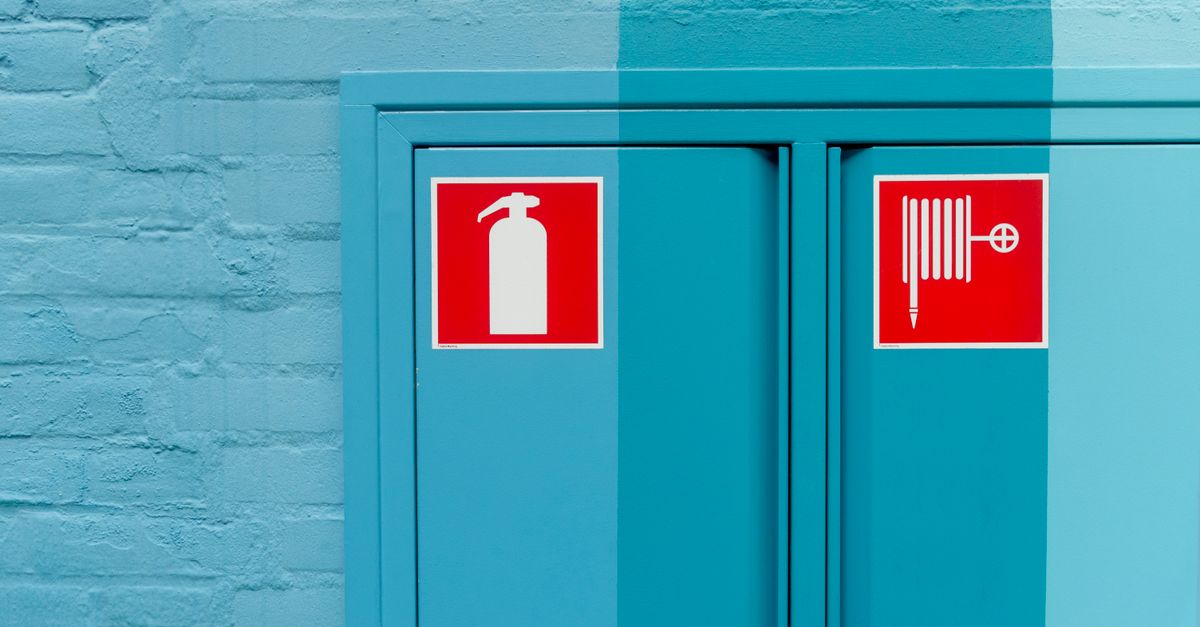
Most buildings have some fire equipment — usually a few extinguishers and a sign or two. What most buildings do not have is an answer to the real question: if a fire started on Tuesday at 9 pm, what exactly would happen in the first five minutes? A fire safety audit gives you that answer, in writing.
What an audit actually covers
A proper audit walks the whole site and checks four layers:
- Detection — do alarms and detectors exist, are they maintained, and would they actually sound in the right area?
- Suppression — are hydrants pressurized, extinguishers charged, and suppression systems functional?
- Escape — are exit routes clear, lit, signed, and do people actually know them?
- Prevention — housekeeping, electrical safety, storage of combustibles and hazardous materials, and hot-work controls.
What you get from the report
A useful audit report is not a list of vague observations. It should grade every finding by risk — immediate, short-term, or planned — and pair each gap with a specific corrective action. That turns the audit from a formality into a budget you can actually work through.
Why “we haven’t had a problem” is not an argument
Fire statistics never reward luck. The buildings that survive incidents are the ones where detection worked, the exits were clear, and someone had trained for it. In Lahore’s mixed-use high-rises, industrial estates and dense commercial strips, an audit is the cheapest insurance policy that does not come from an insurer.
How often?
At minimum once a year for occupied commercial and industrial buildings — and after any major fit-out, change of use, or system failure. If your equipment runs under an AMC, the audit pairs naturally with your maintenance records.
Ready to find out where your building stands? We conduct structured fire and safety audits across Lahore and issue a risk-ranked report within a working week of the site visit.