
Fire Alarm Systems Explained: Components and Working

A fire alarm system is a chain: detect, decide, notify, respond. Break any link and the whole chain fails — usually at the worst possible moment. Understanding each component makes it far easier to specify, budget for, and maintain the right system.
Detection: the first link
- Smoke detectors respond to particles from smouldering and flaming fires — the workhorse for offices, homes and corridors.
- Heat detectors trigger on temperature rise; right for kitchens, stairways and dusty industrial areas where smoke detectors would false-alarm.
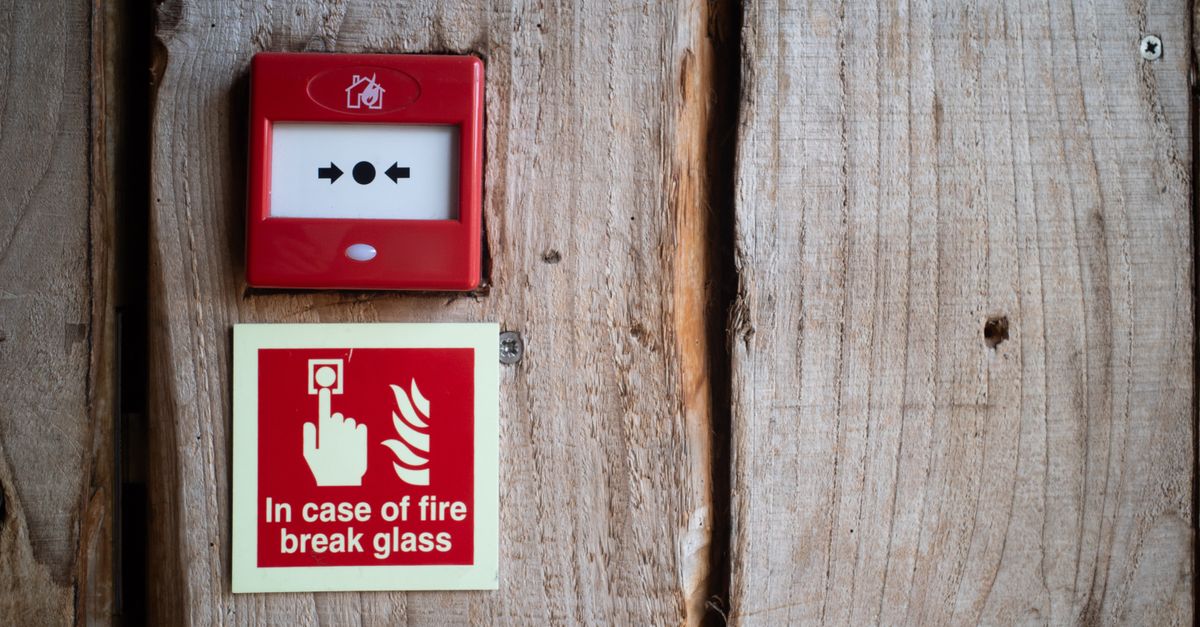
- Manual call points let a person trigger the alarm — never assume detectors alone are enough.
- Flame detection is added where fires develop fast and burn hot: fuel storage, process lines, workshops.
The panel: the decision point
The control panel receives every signal and decides what happens. Conventional panels group devices into zones; addressable panels identify each device individually, which pays off in larger buildings where you need to find the problem fast and log the history.
Notification: making the building act
Sounders and horns make people turn; strobes reach the hard of hearing; voice appliances can direct an orderly evacuation. Zoning matters — the right areas must alert first, and the sequence must match your evacuation plan.
What to check before you buy
- Is the system sized to your building and its future use?
- Are detector types matched to each area’s real fire risk (not installed on habit)?
- Is there a commissioning plan — testing, documentation, and training for whoever monitors it?
- Is maintenance included in the quote, or an afterthought?
A properly designed alarm does more than satisfy a checklist — it buys the minutes that let people leave safely. If you are planning a new build or fit-out in Lahore, get the alarm design in before the ceilings go up; retrofitting is always more expensive.