
5 Types of Fire Extinguishers — and When to Use Each

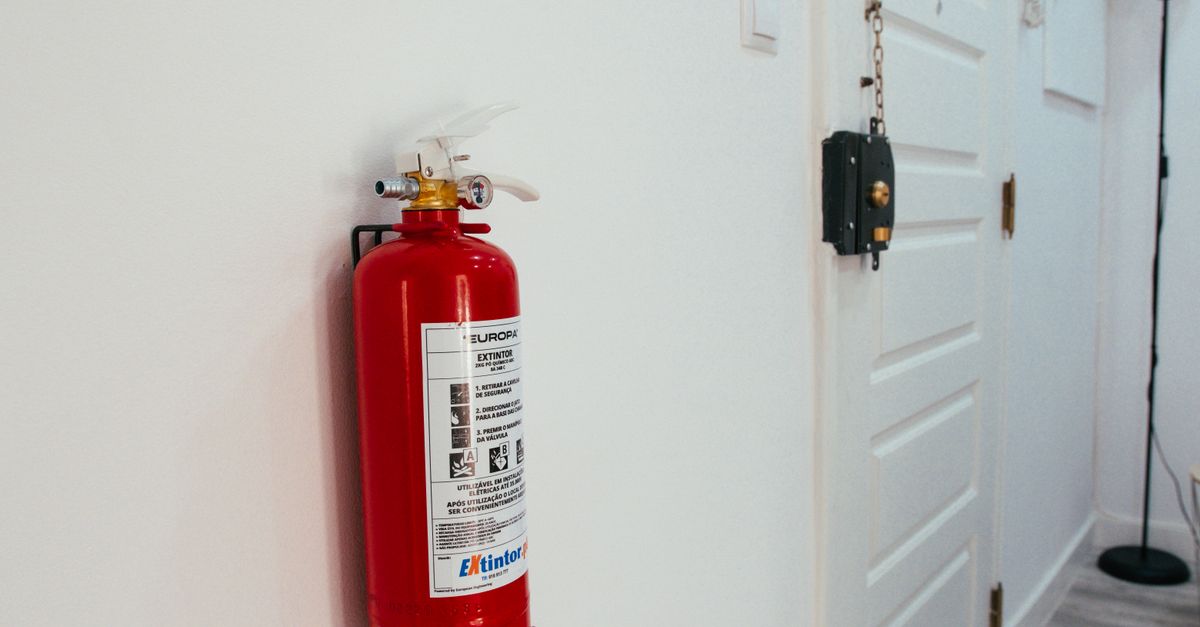
An extinguisher only works on the fires it is designed for. Use water on an electrical fire and you risk a serious accident; use dry powder on a deep-seated oil fire and it may flare back up once the agent settles. Getting the match right — between agent and fire class — is the single most important decision in your life-safety equipment.
The main extinguisher types
- Dry Powder (ABC) — the all-rounder. Works on solids, liquids and electrical fires. The default choice for offices, shops, homes and light industry in Pakistan.
- CO2 — a clean gas that smothers the fire and leaves no residue. The right tool for electrical panels, servers, switchrooms and laboratories.
- Foam — blankets liquid fuel fires. Common for fuel storage, garages and workshops handling oils and solvents.
- Water / Water Mist — for ordinary combustible materials in large open areas; mist systems also cool surrounding hazards.
- Special Agents (clean agents, wet chemical) — for high-value equipment rooms and commercial kitchens respectively.
How many do you need, and where?
There is no single answer — it depends on the fire load, occupancy and travel distance to each unit. As a working rule: every floor and every significant room group needs coverage, extinguishers sit within easy reach of escape routes, and nothing should require more than a short, unobstructed walk to reach.
Sizing matters
A 4 kg unit is fine for a small office floor; a production line or fuel store may need 9 kg or more, plus a hydrant point. Undersized equipment is one of the most common gaps we find during fire safety audits.
Maintenance is part of the choice
An expired, drained or tampered extinguisher is just a red decoration. Whatever type you install, pair it with a documented servicing schedule — refilling, pressure checks, gauge and pin checks — so the equipment is genuinely there when it is needed.
If you are unsure which types and sizes suit your premises, that is exactly what a quick site visit is for. Tell us where you are and what you run, and we will map it out with you.